
View all blog posts here or browse by category:
Pride in the Bible: Avoiding the Worship of Self
Do you remember when you were little and everyone would ask you what you wanted to be when you grew up? What were your dreams? What were you determined to do with your life someday? These questions subconsciously put us on a track where we put ourselves in the driver’s seat, ready to steer and maneuver through life to reach the destination we desired.
Is there anything wrong with thinking about the future? No. And quite honestly, there is nothing wrong with asking little ones what stirs their heart. In all of this, however, I think what’s missing is the training up of these young minds in the realization that, despite what we think or believe our future should look like, the first step is seeking the Lord and asking Him what He determines. Young minds turn into older minds, and as we grow, we gain a stronger sense of control and ability. And if we’ve already started to tightly grip the steering wheel as young ones, how much more so when we become young adults?
Our world is consumed with the thought of “I”. I’m sure this comes as no surprise to you. It is all about us, our desires, our wishes, dreams, and plans. We should have it our way, do what makes us feel good, and live our own truth. The brand of many of our phones even begins with the letter i.
Things are no longer black and white; true or false. In everything, there is the option to make it our own, and that then becomes the reality by which we’re allowed to live.
Where did we go wrong, sister? Or has it always been this way?
Since the Fall of mankind in the Garden of Eden (Genesis 3), pride has been a genetic trait passed down. In humanity’s sinful nature, we are prone to think that we know better than God; we can figure things out on our own; or, at minimum, what He has stated as absolute should be questioned because, well, just maybe, He got it wrong.
I’m starting this article off with all the warm and fuzzies, huh, sister? ;)
Pride is such an important topic, and we need to talk about it. Why? Because if we aren’t careful, we can easily slip into bouts of pride in our lives (in so many areas), which in turn can lead us down the road of the worship of self. So let’s first talk a little about pride in the Bible so we can, as we always do around here, gain a biblical perspective.
One Example of Pride in the Bible
Ok– I’m sure you, like me, can think of so many examples of people in the Bible who led prideful lives, or at least struggled with pride at one point or another. We could be here all day comparing our lists! For now, let me just share something I recently read in the book of Isaiah that was very interesting to me. In fact, I think so many– believers and non-believers alike– can slip into this mindset very easily if we aren’t truly seeking the Lord’s perspective in life.
In Isaiah 47, we read that Babylon had a problem with pride (surprise, surprise). Twice in this chapter, God, through the prophet Isaiah, was sure to tell us that they said in their heart, “I am, and there is no one else besides me.” Wow. Their wisdom and knowledge may have been great, but these two things warped their minds and led them to a place where they only had trust in themselves. Therefore, God brought them low.
“Now, then, hear this, you luxuriant one, who lives securely, who says in her heart, ‘I am, and there is no one besides me. I will not sit as a widow, Nor know the loss of children.’ “But these two things will come on you suddenly in one day: Loss of children and widowhood. They will come on you in full measure in spite of your many sorceries, in spite of the great power of your spells. You felt secure in your wickedness and said, ‘No one sees me,’ your wisdom and your knowledge, they have led you astray; for you have said in your heart, ‘I am, and there is no one besides me.’”
Let’s back up a bit to gain the context. Verses 5-7 tell us that God used Babylon as an instrument to bring judgment to His people, yet Babylon showed no mercy on them. Their pride led them to think that since they were “so great”, the overtaking of God’s people was solely due to them, and therefore they could act however they pleased. They failed to see that God was truly in control and was orchestrating His sovereign will. They truly believed that there was “no one beside themselves”.
But our God is a just God! Not only just, but He is also humble, even as the One who set all things into motion! He does not deal with pride lightly. Although those who exude pride may seem to flourish for a time, eventually they will be brought low, naturally, and inevitably by the mighty hand of God (Proverbs 16:18; 29:23). This is exactly what we saw happen with Babylon.
The Dangers of the Worship of Self
Unfortunately, sister, this message is more of a sobering one. I don’t have a lot of happy-go-lucky stories or encouraging words quite yet. Pride is serious. Pride is what got the enemy in the predicament he’s in. Pride is sin– and we must begin seeing it for what it is.
We all want a sense of control over so many aspects of our lives, and yes, God in His grace has given us free will. We are totally and completely free to choose what we do or don’t do. Yet, God desires that we choose to humbly bow to His will– to surrender our wants, desires, and control to Him, so He can lead and direct us. As His daughters, our desire should be for the Lord to sit on the throne of our hearts, not ourselves. When we’re on the throne, we’ve stepped into the realm of the worship of self. Again, sister, this is what Satan desired–
“How you are fallen from heaven,
O Lucifer, son of the morning!
How you are cut down to the ground,
You who weakened the nations!
For you have said in your heart:
‘I will ascend into heaven,
I will exalt my throne above the stars of God;
I will also sit on the mount of the congregation
On the farthest sides of the north;
I will ascend above the heights of the clouds,
I will be like the Most High.’
Yet you shall be brought down to Sheol,
To the lowest depths of the Pit.”
He wanted his own throne. He desired to be in control; to be worshipped. Like the Babylonians who followed, Satan thought there was no one besides him and that’s the way it should be.
Our caution is to not fall into the same mindset. Unfortunately, the world tries to bend us in this direction– one where we are in control and call all of the shots; one where we are the center of attention so we can be worshipped; or, in the least, a world where perhaps we don’t demand everyone else’s worship, but certainly demand our own (of ourselves).
This is the way of the world as it tempts us with the lust of the flesh, the lust of the eyes, and the pride of life. And, this is why it’s so important to love the Lord more than we love the world and love ourselves. Our desire must be His will– not our own (1 John 2:15-17).
When we kindle our own fire, producing our own light, truly, it is still darkness! (Isaiah 50:11) And we can be sure that just as with the enemy, the LORD God will bring us low.
Walk in the Light to Relinquish Pride
Instead of walking in darkness— which leads to pride— light is found in trusting in the name of the Lord. Just take a look at Isaiah 50:10: “Who is among you who fears the LORD, who obeys the voice of His Servant, who walks in darkness and has no light? Let him trust in the name of the Lord and rely on his God.” This verse is a call to all to fear God, to obey His voice, trust His name, and rely on Him— just as Jesus the Messiah did. In the previous verses, the Messiah Himself is revealing His obedience, submission, and trust in God the Father, setting the example for all of us to follow. When we’re unsure, or we waver in our trust and reliance on God, we need only to re-fix our gaze toward the Light– our Savior– and recount His example to steer us back on track.
Praise the Lord for His grace! It abounds, and He gives it to us even in our most wretched of times. At the same time, James does tell us explicitly that for those who are proud, opposition comes from the Lord (James 4:6). Grace is reserved for the humble. Humility is what He desires. Righteousness and justice are what are acceptable to Him, but a proud heart– that He calls sin (Proverbs 21:3-5).
Sister, He calls us the light of the world! May the shining of our light not flicker because it is surrounded by the dust particles of pride.
Release Pride By Focusing on Others
It’s hard to remain prideful and focus inward when you allow the Lord to use you to serve others. This should be a natural thing, but sometimes we need a few ideas to get us going. Grab this free guide to help spark your servanthood muscles and see ways you can consider others! Fill out the form below.

God Declares Who He Is
While many with pride say who they are, who God is is greater. Amen?! In our pride, we can declare who we are. We can, like Babylon, say “there is no one else besides me.” Yet, how does that measure up with God? How do we measure up with God?
God tells us who He is and what He is like. Interestingly enough, God says about Himself the same words those with pride have stolen from Him: “I am the LORD, and there is no other” (Isaiah 45:18).
I say ‘interestingly enough’, but is it really interesting? It should come as no surprise to us. After all, since the Garden, the words of God have been twisted and taken out of context to bend to our philosophies, will, and made-up beliefs!
Nevertheless, the words of the Almighty God are still true– He and He alone is the LORD. There truly is no other! When we meditate on this instead of what we think about ourselves, it should humble us to no end. There is no other besides God— not that inspiring leader over there. Not that dedicated ministry worker. Not that outstanding evangelist. Not us.
NO ONE besides Him.
We learn how to rightly see God by paying attention to what He reveals to us about Himself. He wants us to know Him. Scripture tells us all we need to know (2 Peter 1:3) if we only stop to read it and truly consider the words!
Not only does God tell us there is no other besides Him, but in Isaiah 47:4, just a few short verses before the Babylonians stole His declaration, Isaiah calls the LORD God “our Redeemer”, “the LORD of hosts”, and “the Holy One of Israel”. Stop and think about those words for a bit.
Since we’re already in the book of Isaiah, let’s meditate on a few more descriptions of the Lord that are given to us:
“This is what the LORD says, He who is the King of Israel and his Redeemer, the LORD of armies: ‘I am the first and I am the last, and there is no God besides Me. Who is like Me? Let him proclaim and declare it; and, let him confront Me beginning with My establishing of the ancient nation. Then let them declare to them the things that are coming and the events that are going to take place. Do not tremble and do not be afraid; have I not long since announced it to you and declared it? And you are My witnesses. Is there any God besides Me, or is there any other Rock? I know of none.’”
“Listen to Me, Jacob, Israel whom I called; I am He, I am the first, I am also the last.”
“This is what the LORD says, He who is your Redeemer, the Holy One of Israel: ‘I am the LORD your God, who teaches you to benefit, who leads you in the way you should go.’”
“…And humanity will know that I, the LORD, am your Savior And your Redeemer, the Mighty One of Jacob.”
“For I am the LORD your God, who stirs up the sea so that its waves roar (the Lord of armies is His name).”
Choose Your Worship
Sister, the worship of self and the worship of God cannot co-exist. I encourage you to reflect and meditate on these verses (and others) that communicate the truth of God’s greatness. We are not the best, the greatest, or the ultimate, but the good news is— we don’t have to be because we have a God who is. We do not have to live up to the pressures of others looking to us or worshiping our ways because we have a God who can shoulder that and deserves all the worship. Freedom is found in knowing our place, which is abiding in Him, not sitting on His throne. May we release the desire and dangers of the worship of self and pride, and instead worship, honor, and give glory to the only One who truly deserves it.
More from: Grow Your Faith










Your Identity in Christ When the World Defines You by Success, Looks, or Roles
The world defines us by our success, looks, or roles, but what does the Bible have to say about our identity in Christ?
Guest Post by: Chrysanthemum Baloi
The Bible tells us that the devil is the god of the world (2 Corinthians 4:4), and the Lord tells us that we are the light of the world, meaning that without us, the world is pure darkness. As we are of the light because we are born (again) of the Spirit of God, what say can the world have on who we are and how we live? No say at all.
The world is void of what is spiritual. As believers, we have the mind of Christ; we have the Spirit who helps us discern all things. We should not behave or think as the natural man does. “But I, brothers, could not address you as spiritual people, but as people of the flesh, as infants in Christ.” (1 Corinthians 3:1). True spirituality is walking as empowered by the Holy Spirit to not be in the flesh. It is spiritual because it is to do with the Spirit leading us as children of God.
The world defines us by our success, looks, or roles because, “This is not the wisdom that comes down from above, but is earthly, unspiritual, demonic.” (James 3:15). The wisdom of the world can’t help but be grounded in the physical world. But our identity in Christ is that we walk by faith because faith is our spiritual eyes that see the Invisible One.
Imitating Christ is Our Identity
As we are the light of the world because Christ is the Light of the world, we also share His love. God is love (1 John 4:8). The children of God are the only hope the world has of knowing love, of having light. We are defined by who Jesus is because it is His Spirit that leads us. It is the fruit of the Spirit that we practice and embody. Though we have unique human spirits, like a rose and a lily are both flowers, with the one mind of Christ, we are one, we are children of God the Father. Christ came so we could be like Him, so we could be sons and daughters unto the Most High God.
What does it mean for our sins to be paid for? It means when the Father sees you and me, He sees His perfect Son; He sees perfect children. How else would we have eternal life but unless we are perfect, for the Father is perfect (Matthew 5:48) and holy, for He is holy (1 Peter 1:15-16). And so because Jesus came to make our adoption unto the Heavenly Father legal, and has made us to be like Him, as the One who knew no sin became sin so that in Him we might become the righteousness of God (2 Corinthians 5:21), our identity is found in Jesus Christ, the Son of God.
John 1:12-13 teaches us that we were born not of blood nor of the will of the flesh, but of the will of God, because we received the light that is Christ Jesus. Now imagine going from this to making your identity as a human being to be such as a doctor, a lawyer, a receptionist, a billionaire, or an astronaut, etc. Nothing is a higher occupation than being a child of God. Nothing is more glorious, honourable, blessed, or more precious than our identity in Christ– being clothed and embodied in our eternal identity.
“But our citizenship is in heaven, and from it we await a Savior, the Lord Jesus Christ, who will transform our lowly body to be like his glorious body, by the power that enables him even to subject all things to himself.”
The One Mind of Christ the Lord
Who is Christ but the embodiment of the Holy Spirit of the Father? “And the Spirit of the Lord shall rest upon him, the Spirit of wisdom and understanding, the Spirit of counsel and might, the Spirit of knowledge and the fear of the Lord.” (Isaiah 11:2). “Who, then, are those who fear the Lord? He will instruct them in the ways they should choose.” (Psalms 25:12). “For all who are led by the Spirit of God are sons of God.” (Romans 8:14). “For the creation waits with eager longing for the revealing of the sons of God.” (Romans 8:19).
“So, whether you eat or drink, or whatever you do, do all to the glory of God.” (1 Corinthians 10:31). That is to say, it is not dishonourable to be a doctor or a receptionist, but it is not who you are as a being, it is what you do. If we let the world define us by clothing ourselves with its worldly wisdom, how can we have the mind of Christ? Because the wisdom of Christ is from the Spirit of God, it’s from above. How will creation recognise us as the children of God so it can have relief from the darkness of the fallen nature?
God is our heritage. And so what is our success, how do we look, and what is our role? “Set your minds on things that are above, not on things that are on earth.” - (Colossians 3:2). Our success is that we are heirs of the Father with Christ, for, we endure the world and overcome it through God’s Spirit (Romans 8:17). How we look is that we are Christlike, predestined to be in the Son’s image because He is the firstborn among many brothers and sisters (Romans 8:29). And what is our role? We are the light of the world and we are the righteousness of God in Christ Jesus.
OUR GUEST’S BIO:

Chrysanthemum Baloi writes about personal development and spiritual enlightenment through Christ on her blog In Milky Way. She delights in encouraging and edifying others with the knowledge of God for their well-being. She is the author of Spiritual Health Resource: A Guide to Holistic Mental Health, in which she guides readers toward lasting mental health.







When You Feel Behind in Life: God’s Timing Is Still Perfect
Have you ever felt behind in life? Like every else was being called, but not you? In these moments…
Guest Post By: Alexia Jons
You weren’t supposed to feel this way.
By now, you thought you’d be further along — in your calling, your relationships, your purpose.
Instead, it feels like you’re sitting in the waiting room of your own life while everyone else gets called ahead of you. And honestly? You’re starting to wonder if God forgot your name.
This article isn’t about clichés or quick fixes.
It’s for the Christian woman who feels stuck between faith and frustration — still trusting God, but also quietly wondering:
“Why is it taking so long?”
“Did I miss something?”
“Is everyone moving forward… without me?”
Let’s talk about it — the loneliness of feeling behind, and the solid, immovable truth that God is not in a hurry — but He is never late.

The Silent Grief of Feeling “Behind”
Feeling behind isn’t always about envy.
Sometimes, it’s about grief — grieving the life you imagined you'd have by now.
Maybe you expected to be married — but you're navigating singleness and silence.
Maybe you thought you'd have children — but your arms are still waiting.
Maybe you were once full of dreams — but delays and disappointments dimmed the light.
Or maybe you’ve achieved “what you should” but still feel strangely… empty.
Here’s the truth nobody says out loud enough:
You can love God deeply and still feel disappointed with how life looks.
And you are not less faithful for wrestling with that tension.
God’s Timing: Personal, Not Generic
There’s a reason the Bible says “to everything there is a season” (Ecclesiastes 3:1). God doesn’t use cookie-cutter timelines. His timing is custom-tailored to each life — not to keep us waiting, but to make us whole.
Take Hannah, who prayed for a child for years while others around her gave birth easily. Her story in 1 Samuel reminds us that:
God's delays are often His preparations for something sacred.
Or think of Joseph — sold, imprisoned, and forgotten before rising to leadership. Every pause was part of a greater purpose: not just to promote him, but to shape him.
What if the season you're in isn't punishment or neglect…
…but the soil where roots are growing deep beneath the surface?
Four Lies We Believe When We Feel Behind
Let’s gently call out the subtle lies that sneak into our hearts — and replace them with truth:
Lie #1: “I’m falling behind.”
Truth: You're right on schedule for what God has called you to. Delay in the world’s eyes isn’t delay in His eyes. (Isaiah 55:8–9)
Lie #2: “Other people are doing it better.”
Truth: No one is ahead or behind in the Kingdom. We’re each running a race designed just for us. (Hebrews 12:1)
Lie #3: “God must be disappointed in me.”
Truth: God is not pacing heaven waiting for you to “catch up.” He delights in you now — not when you finally achieve something. (Zephaniah 3:17)
Lie #4: “My best days are behind me.”
Truth: If you’re still breathing, God’s not done writing. Your most beautiful chapters may be the ones ahead. (Philippians 1:6)
Trusting God’s Timing: What to Do When the Waiting Feels Heavy
Here are some practical ways to live well while waiting for what hasn’t yet come:
1. Name the disappointment, but don’t stay there.
God invites honesty. The Psalms are full of raw questions and open grief. Name what hurts — then bring it to Him.
2. Stop tracking others’ timelines like a scoreboard.
You’re not failing just because someone else is celebrating. Their gain is not your loss.
3. Celebrate the quiet fruit no one sees.
Patience. Growth. Surrender. These aren't small things — they are holy victories.
4. Practice joy today. Not when the prayer is answered — now.
Joy isn’t a reward for “arriving.” It’s a gift for the present. Start small: sunlight on your face, laughter with a friend, Scripture that lands deep.
A Sacred Reminder: Jesus Wasn’t in a Hurry Either
Jesus — the Savior of the world — lived 30 quiet years before His ministry began.
No platform. No big reveals. Just hidden faithfulness.
If the Son of God wasn’t rushed, why should we be?
Maybe what feels slow is actually sacred.
Maybe what looks like waiting is actually becoming.
Final Word: God Is Not Late — He’s Loving You in the Delay
When you feel behind in life, remember:
You’re not off course. You’re on holy ground.
The same God who saw you in your mother’s womb (Psalm 139:13–16) still sees you now — not just where you are, but where you’re going.
And His promise is this:
“I will fulfill the purpose I have for you.” — Psalm 138:8
Not maybe.
Not hopefully.
But will.
You are not behind.
You are held.
You are seen.
And you are exactly where God can reach you.
Even now.
OUR GUEST’S BIO:

Alexia Jons writes about Christian faith and spiritual growth, with a special focus on encouraging women to trust God's timing and find their identity in His truth. She is passionate about helping individuals and families engage with Scripture in practical ways and deepen their walk with Christ — especially during seasons of waiting, discouragement, or change. When she’s not writing, Alexia enjoys photography, quiet moments with her Bible, and spending time with her family. You can follow her on Facebook.
Trusting God in All Circumstances
Whoever told you that when you become a Christian all things will be sunshine and roses, and everything will work out the way you’d hope, lied to you. Being a Christian doesn’t give you a pass to the “fast track” of living your dream life here on Earth. When you’re down, frustrated, or don’t understand what’s happening…
Whoever told you that when you become a Christian all things will be sunshine and roses, and everything will work out the way you’d hope, lied to you.
Being a Christian doesn’t give you a pass to the “fast track” of living your dream life here on Earth.
Being obedient to the Lord doesn’t mean all of your wants and desires will be handed over to you immediately and without a cost. Just ask an Old Testament saint. Or any of Jesus’s disciples. As a matter of fact, ask any godly friend who’s been a Christian more than a few years.
When you’re down, frustrated, or don’t understand what’s happening, I bet they’d all tell you the same thing: Trust in God and His bigger plan, or–
Trust in the Lord with all your heart.
That sounds really good on paper. But how do we get there? Of course, the first thing we need to do is explore the Word.

What Does the Bible Say About Trusting God?
The Bible has a lot to say about trusting God. But, let me start with one thing it doesn’t say— it never says that it’s going to be easy. Through the many lives we read about in the pages of Scripture— Abraham and Sarah, David, Paul, Peter, Job, Daniel— we see clearly that God isn’t concerned with how light of a journey it will be for us. He protects us, but that doesn’t mean we’ll never face trials. Trusting Him always comes with a cost, but He is always there traveling with us, and it’s worth it. The more we trust in God, the more we grow in Him. And, news flash— He isn’t especially concerned with our happiness. He’s concerned with our holiness.
Trusting God Starts With Knowing Who God Is.
Countless times in the Psalms, the Lord is referred to as our rock, salvation, help, and protection. It is under the shadow of His wings that we find refuge. The God who created the universe is the same God who knit you together in your mother’s womb. He’s in the big picture, and He’s in the details. He is all-powerful, all-knowing, and fully in control.
“Trust in the Lord forever, for in God the Lord, we have an everlasting Rock. ”
This same God tells you that in His book, they were all written– the days fashioned for you when as yet there were none of them (Psalm 139:16). He knows your beginning and end– and everything in between.
It’s important to start with these truths because without meditating on who God truly is, you can jump straight to questioning why He is doing what He is doing. But, when you remember who He is and how deeply He knows you, your perspective can be in the right place.
Trusting God Means You Commit Your Way to Him.
Even when the steps you need to take don’t make sense, or if the Lord tells you to go North, but you think you should go South– when you fully trust Him, you commit your way to Him. You do this because you know Him, and you know that He has your best interest at heart. It may not be what you think is best for you, but remember, His plans and purposes always end in something good for you (Romans 8:28) and exist to bring Him glory.
“Commit your way to the Lord, trust also in Him, and He will do it. ”
Committing your way to the Lord means that you relinquish your desire to take control and create the map yourself. It’s God’s map, God’s plans, and God’s compass. Let Him direct your steps, knowing that He’ll take you in the right direction.
Trusting God Means You Look to Him for Guidance.
You’ve committed your steps to Him, but wait– that path over there looks shiny and sparkly. It looks a little easier; less rugged. Perhaps that’s the way to go?
“Let me hear Your faithfulness in the morning, for I trust in You; teach me the way in which I should walk; for to You I lift up my soul. ”
Ever have thoughts like this? You allow God to direct you for a time, but then, ever so slowly, your feet begin to shuffle off His path as you create your own. As the Psalmist says, remember that the Lord is faithful. He’ll remind you of His faithfulness anytime you ask.
Inquire of Him the way in which you should walk. This isn’t a one-time thing; this is ongoing, constant communication with the Lord. He’ll not only show you the path to take but also how to maneuver it. He’ll give you the wisdom you need and guide you every step of the way.
Why is Trusting God Important?
You can learn all you want about trusting in the Lord, but if you don’t make the decision to be obedient, what profit is it to you? You need to understand the “why” because, yes, you do have a choice. If you aren’t trusting God, by default, you are trusting in your own plans or in someone else’s.
“Come now, you who say, “Today or tomorrow we will go to such and such a city, and spend a year there and engage in business and make a profit.” Yet you do not know what your life will be like tomorrow. For you are just a vapor that appears for a little while, and then vanishes away. Instead, you ought to say, “If the Lord wills, we will live and also do this or that.” But as it is, you boast in your arrogance; all such boasting is evil. ”
James brings up the point that you don’t know what your life will be like tomorrow. Everything happens according to the Lord’s will. Although that doesn’t mean you should live a life flying by the seat of your pants or just go with the flow, taking things as they come, you still need to acknowledge that the Lord is the One fully in control, directing your steps. And, allow Him to do so. He is the One orchestrating the show.
Our thoughts are not above His thoughts, and the truth is, He is the only One with the complete, bird’s-eye view. We can only see what is right in front of us, no matter how much planning for the future that we do.
So, no, there is nothing wrong with making plans, booking dates, or writing in your planner. However, just realize that God has the final say, and it’s best to be ready and willing to be flexible at every moment. In other words, write the plans of your life in pencil because God is the only one who holds the ink pen.
Jesus is the Same Yesterday, Today, and Forever.
Although you may be going through a time in your life when you see nothing happening– no fruit, no results, no change, and things seem desolate– God is still the same.
God is still praiseworthy. You can still rejoice in the Lord. You can still find joy in Him as the God of your salvation. He is still your strength.
Trusting God When You Don’t Understand
Even though the truths mentioned above sound well and good, when you’re in the thick of things and going through trials, they can be hard to walk out. I believe that’s one of the reasons the word “trust” is mentioned in the Bible well over 100 times. God knows you. He knows that as you go through life, you need the constant reminder to not only trust Him, but also the reminder that He is always with you.
God has bigger purposes and plans that you can’t always see and understand. This is why He tells us to “lean not on our own understanding” (Proverbs 3:5).
We’ve gone through times in my family where our kids’ behavior has been difficult for quite awhile, and it seems that no matter what we as parents do, nothing changes.
Perhaps things are a bit chaotic at your job, and you’re doing your best, but you just can’t seem to move ahead or get the work done.
Maybe you’re going through a loss, a deep pain, or rejection, and you can’t see the end. You can’t quite see the light at the end of the proverbial tunnel.
Perhaps you’re single and deeply longing to be married. You feel you’ve been waiting forever and have stopped believing that you’ll ever find the one.
Or, there’s a struggle in your marriage. You fight and make amends for a time, but in the long run, you’re growing more apart than together.

Whatever the case may be, the circumstances in your life right now are not a surprise to the Lord. Sometimes you can’t see what’s going on behind the scenes in God’s plans and purposes for your family or your life. However, he’s still the Playwright, the Author, the Orchestrator, and the Director. He knows what characters should enter for which scenes. It’s your job to simply follow the script (the Holy Spirit’s promptings in your life as He directs your steps).
You see, it’s much easier to accept the fact that it’s ok that you don’t understand circumstances when you first accept that you are not the one in charge.
A Lesson From Habakkuk
The book of Habakkuk begins with the prophet crying out to the Lord. He didn’t initially understand why God would use the Chaldeans and their wickedness to bring judgment on His chosen people.
“Though the fig tree may not blossom,
Nor fruit be on the vines;
Though the labor of the olive may fail,
And the fields yield no food;
Though the flock may be cut off from the fold,
And there be no herd in the stalls—
Yet I will rejoice in the Lord,
I will joy in the God of my salvation.
The Lord God is my strength;
He will make my feet like deer’s feet,
And He will make me walk on my high hills. ”
If you’ve never read it or don’t remember, you can find a good summary of the book here. Just like Habakkuk, sometimes we don’t realize why God allows certain things to happen in our life the way they do.
During those times, you may want God to “do something,” and maybe there have been times when you’ve wondered why He “hasn’t.”
These verses above from Habakkuk 3 remind me that God is fully in control, even during the times when I honestly feel like our parenting is in vain. The fig tree isn’t blossoming and there is no fruit on the vines. These tangible things I look for can’t be seen, yet God is working behind the scenes.
And it’s the same for you.
He’s working behind the scenes in your life– growing your faith, changing your heart, leading you closer to Him, and preparing you for what He has next.
For me, maybe this challenging time with our kids’ behavior is being used by the Lord to help me learn to better walk in the Spirit in my parenting. Perhaps the purpose behind this time of “defeat” is bigger than you can understand or even realize. I think the Israelites felt the same way when they were invaded. As God’s chosen people, I bet they wondered how in the world this could happen to them.
Yet, the Chaldean invasion wasn’t the end of the story for Israel, and this time of what you’re going through isn’t the end of your story either.
What is God’s Perspective?
Like Habakkuk, we need the Lord’s perspective in all of this.
“I will stand my watch
And set myself on the rampart,
And watch to see what He will say to me,
And what I will answer when I am corrected. ”
Habakkuk brought some tough questions before the Lord. He was honest and open. Not only did he expect the Lord to answer Him (2:1), but he was also willing to wait on the Lord for His response. Habakkuk knew that his perspective was more than likely wrong and that the Lord would correct him. He didn’t come to the Lord from the angle of, “God, you’re wrong for doing it this way.” He trusted God’s sovereignty.
Simply praying for God to step in and do His work brings a desire in your heart to release all trust to Him.
“Lord, I have heard the report about You, and I was afraid.
Lord, revive Your work in the midst of the years,
In the midst of the years make it known. ”
The beginning of Habakkuk’s prayer in chapter 3 spoke to me because I believe the Lord is saying that I just need to pray and let the Lord work. Trusting God is something I need to do in every moment. Perhaps that is what we all need to do.
Habakkuk called for a revival. He’d seen how the people responded to the Lord’s work in the past when things were good, and he asked God to do it again.
When our kids’ behavior is difficult for a time and nothing is changing, I can pray for a revival in their hearts, specifically in the area of their behavior. What the Lord can do in their hearts is more powerful than anything I could do. And, what the Lord can do in your life during this trial is more powerful than anything you can do.
Revival is an act of God, not man.
Let God do His work and allow Him to have His way in your life, knowing that no time period of trials is outside of His purposes.
Trusting God in All Circumstances
Sister, let’s not lean on our own understanding but trust in the Lord instead. He knows all of our days and He never fails us. Seek His perspective in all things, and remember that He is good all the time.
Bible Verses About Trusting God
The Lord is able to do all things. He is above all, sovereign and totally in control. We have no reason not to trust Him, yet in our flesh and our human nature, oftentimes we don’t. We all need a little help.
Click the link to download your FREE printable: Bible Verses About Trusting God. Hang it on the fridge, tape it to your mirror, tuck it in your Bible, or put it in your daily planner to remind you to trust in the Lord!
CLICK HERE TO Download your free printable!
As I said, we all need a little help sometimes in the area of trusting God! Share this post with a friend, co-worker, sister, daughter, or mom!
What are your favorite verses about trusting in the Lord? Comment below and let me know!
6 Biblical Ways to Cope with Distress
Life events, trauma, and stress produce real emotions that we have. Anything we face that causes us to cope with an unwanted reality can cause distress. So what can we do about it?
Whether you’re reading this article at the time it was written or years later, it is safe to say there is a lot going on in the world that can cause anxiety. Unpleasantness. Fear. Uneasiness. Confusion. Sadness.
Distress.
It’s not my intention to label you with these emotions or make you bear the weight of them if you don’t identify with one (or more) currently. The fact of the matter is we know in this world we will face tribulations (John 16:33), and we should not think it is strange (1 Peter 4:12) to encounter trials. What should be “strange,” or foreign to our character, is camping in the midst of our troubles. We can’t control how long we go through trials, but sitting in the midst of them in distress is not what the Lord tells us to do. There is no hope in distress. The only hope exists in our Lord, and in Him is where our focus should be.
Like so many other things in life and in our Christian walk, keeping our eyes on the Lord during hard times is easier said than done. Thankfully, we can go to His Word for guidance in how to do so. But first, let’s take a quick look at distress so we know how to identify this unwelcome guest when it determines to take over our minds.

What is distress?
Distress can be defined as a negative type of… you guessed it… stress, which causes feelings of worry, anxiety, sadness, and fear. No one is immune to distress; adults and children alike will go through periods of distress in their lifetime.
Many times, when you’re dealing with distress, you can begin to act out of character. Your normal, pleasant demeanor may become temporarily marred with sadness; there’s a little less pep in your step; perhaps you’re easily angered; or you lack the motivation you typically have because everything feels overwhelming. Have you been there before? I know I have.
What causes stress or distress?
Life events, trauma, and stress produce these real emotions that we have. Anything we face that causes us to cope with an unwanted reality can cause distress: a job loss, financial changes, a medical diagnosis, a traumatic event, loss of a loved one, or a big move. I’m sure each of us could come up with a list of things we’ve faced in our lifetimes that have caused distress. Even huge life changes that bring joy such as marriage, a new baby, or going on a missions trip can at times cause levels of distress. As exciting as these important events are, they contain so many moving pieces and can become simply overwhelming. Some may call this type of stress “eustress” instead of distress, since it’s related to more of a positive type of stressor. I think that even within these joyful, yet trying times, if we are not mindful we can easily fall into a level of being overwhelmed leading to anxiety and fear. While we can acknowledge and be aware of the negative emotions when they surface, the trick is to not succumb to them and camp out there. The goal is to cast those negative emotions to the Lord and refocus our eyes on Him because let’s face it— we will always move in the direction of our gaze.
So how do we refocus?
Grab your Bible and dive into Psalm 118 with me. It’ll be helpful to read through it in its entirety right now, before going through the rest of this post.
Seriously, go get your Bible! I’ll wait.
What to do when you’re distressed
Figuring out how to cope with stress can seem daunting; however, the Psalmist shares some beautiful truths about the Lord in Psalm 118. We also see vulnerability and a dependence on the Lord as he faces trials. This is where our hearts should land as well— focusing on His truths as we depend on the Lord in all things. If you’re like so many, and you’re wondering what to do when you’re feeling distressed, Psalm 118 sheds light on a few things.
1- Acknowledge His Character
Read: verses 1-4
Our daily tasks, our responsibilities, our stress level, our emotions, our circumstances— what is the common denominator? They all change. They may stay the same for a time, but eventually they will change. We’ll have new thoughts and emotions or we’ll find ourselves in new circumstances. The events and happenings of our lives are not constant, but the Lord is. He is eternally the same — steady, immutable, and reliable.
“Let those who fear the LORD say,
“His steadfast love endures forever.” ”
When a dancer, such as a ballerina, is doing pirouettes, she fixes her eyes on a certain spot while turning her body. When it’s time to turn her head, she’ll do so quickly in order to once again set her sight on the object she is spotting. This practice of spotting helps to prevent dizziness and leads to smooth, balanced turns.
What are we spotting? Or, more accurately, who are we spotting? When we are going through the turns and chaos of life, is our orientation regularly being fixed on our unchanging God? Or are we constantly changing our gaze and focusing in whatever direction seems helpful at the moment?
Psalm 118 tells us the Lord is good and His steadfast love endures forever. These are constant— His mercy, goodness, kindness, and faithfulness are always there. When we remember this and acknowledge who He is, that His perfect character is 100% true 100% of the time, we are more likely to stay steady as we go through the turns of life.
2- Call out to the Lord
Read: verse 5
Fixing our eyes on the Lord during times of distress is what keeps us grounded. I’m sure I don’t have to tell you this, but distress can consume us if we let it. We can easily become so focused on our struggles that we forget the character of God. Then, we tend to view our circumstances from a disoriented perspective, and therefore make decisions and behave in ways that perhaps hinder more than help.
“From my distress I called upon the LORD; the LORD answered me and put me in an open space.”
Verse five, however, invites us to a different reality. Like the psalmist, we are to call out to the Lord in our distress. Go to Him in prayer. Seek Him; wait on Him. He has all the answers and knows the end from the beginning. We have the ability to surrender all to Him.
Here, the psalmist proclaims when he called out to the Lord, the Lord answered and, as the NASB says, “put me in an open space”. Other translations use the phrase, “set me free”. The idea of being set free from the strongholds of our troubles, worries and pain in the midst of our distress undoubtedly makes sense to you; I know it does to me. However, the concept of “open space” is one I wanted to contemplate.
At first thought, I realized open space implied a sense of liberty or freedom, as in being set free. But to offer more clarification, let me share that the Hebrew word used for “distress” in this verse means straits, troubles, pains, or narrow place.
Narrow place—- a place where we can feel stuck. There isn’t much wiggle room. We can barely move. We often don’t have a wide variety of ways to maneuver. We have limited freedom, if you will.
Recently our family vacationed at an indoor waterpark. Our kids were so excited about the plethora of water slides, big and small. I was happy to venture down most of the slides along with them, except the fully enclosed tubes. Being mildly claustrophobic, the thought of sitting in a completely enclosed, narrow tube (that is, a narrow place) did not sit well with me. Small spaces where it feels as if the walls are closing in, even for but a few seconds… no thank you. I had to explain to my kids that I was only game for the open slides; the ones where I could see my surroundings with a clear view of where I was heading as I ventured downward to the water.
Narrow spaces, whether literal or figurative, can cause a sense of entrapment and panic. If we aren’t careful, we can start to believe that we can’t see God or He can’t see or hear us, and that we can’t escape.
But God... When we call out to Him in the midst of that narrow place, He hears us, answers us, and sets us in an open space— one where we are free from those strongholds and our perspective is greater.
focus on Him during your times of distress
Sister, let’s not camp out in the land of distress. Instead of wondering how to cope with stress, we can realize that the Lord has all the answers! He is all we need.
Download your FREE 5-day Devotional Study and spend time at His feet, focusing on His goodness, faithfulness, and provision. Fill out the form below.
3- Hold your position
Read: verses 6-13
What better help exists than that of the Lord? Our opposition, whether physical, mental, or emotional, cannot stand against the Lord, which is why it’s important to let Him fight our battles. He comes alongside us as our helper and gives us the victory.
“The LORD is on my side as my helper;
I shall look in triumph on those who hate me.”
Verse six, in the ESV, says “the Lord is on my side”. If this is our position, knowing He has the power to set us free from the narrowing limitations that constrict us, why would we dare to step out of line? No, we must hold our position. We must throw water on the flames of fear. We must willfully trust and believe that our position is in the refuge and safety of the Lord. Even if we still feel surrounded by chaos and calamity, we are safe in Him.
We trust in no other name but Jesus. We relinquish the thought of relying on our own devices and power. Instead, we move solely in the name of the Lord and witness His powerful work in our circumstances.
4- Worship
Read: verses 14-18
Whether we are standing in the narrow strait or in the open space, it makes no difference. With the Lord on our side, fighting for us, we have reason to worship.
“The LORD is my strength and my song;
He has become my salvation.”
Even in the midst of our struggles, we can worship the God whose steadfast love endures forever. In fact, I’ve experienced that worship can stem from a deeper depth and conviction of our souls in the hard times. The pain is more palpable, therefore the worship is more meaningful.
Sister, is He truly your strength and your song? Do you believe that He is your salvation? Then sing!
Let us praise Him, for although we may be pressed down, He will not allow us to be consumed by what we’re facing. The quicker we come to a heart of worship— even in the midst of distress— the quicker our perspective changes.
The amazing thing about worship is that it’s multifaceted. It praises God, allowing Him to get the glory; it redirects our hearts back to the throne of God, giving us the ability to see through the clouds and focus on our Savior. And, our personal worship also blesses others in that it gives testimony to what God has done, so they too may be drawn in to witness the power of our great God.
“But as for me, the nearness of God is good for me; I have made the Lord God my refuge, so that I may tell of all Your works.”
Sing a new song, bless the Lord, and live a life of worship.
5- Rejoice in His Presence
Read: verses 19-24
Where else would we go? Where else should we be, but in the presence of the Lord? As we’re journeying through hard times or seasons of distress, the most important thing we can do is continue to seek the Lord. Here is the ultimate “self-care”— it’s called surrender! Surrender your will, your thoughts, your struggles, and your ways unto the Lord, and continually sit in His presence. Cast every weight unto Him and He will care for you.
“Open the gates of righteousness to me; I will enter through them, I will give thanks to the LORD.”
Allow me to share another thought on worship, for herein lies its power: the more we worship, the more of a desire we have to be in His presence. And, the more we are in His presence, acknowledging His character and seeing Him move in our lives, the more we will worship. This continuum is only broken when we fix our eyes on someone or something other than the Author and Finisher of our faith.
Being in the Lord’s presence, whether by prayer, sitting quietly at His feet, being in the Word, or by whatever means the Lord is calling us to in the moment, gives us the opportunity to see and acknowledge the ways the Lord has answered our prayers (verse 21). When the Lord calls these things to mind, don’t brush them off; instead, think on them, notice His faithfulness, and trust Him more deeply.
Sister, you, like me, have the choice to either continue to wonder what to do when you’re feeling distressed, or to plant your feet in His presence and proclaim,
“This is the day that the LORD has made; let us rejoice and be glad in it.”
Yes, this day. A good day, or a hard day— it is still a day the Lord has made. Just as the day of our Lord’s sacrifice on the cross— the chief cornerstone, who was rejected— it was the day the Lord had made. We can rejoice in it.
He is still sovereign over this day. He has ordained it, and it is not outside of His plan. And, because we’ve already learned that His goodness, kindness, and faithfulness endure forever, we can trust Him in this day.
6- Encouragement & Praise
Read: verses 25-29
It may not be easy, but by the grace of God and in His strength, we can bring encouragement to those around us during our times of distress. We look again at the ultimate sacrifice of Jesus— one day, entering the gate while being praised and blessed with Hosannas, and a short time later becoming the sacrifice for all mankind. Several verses in this Psalm give us that prophetic vantage point. No doubt this should remind us that God is the LORD (verse 27) and we are to bless Him.
“The LORD is God, and He has made His light to shine upon us.”
We invite others to join us in blessing Him, for His light shines on us, He saves us, and He alone is the one who brings prosperity.
When we spend time in His presence, worshiping Him and meditating on what He’s done for us, it’s easier to turn our eyes outward to encourage others with these same truths. From the viewpoint of His presence, we see more clearly all of the marvelous works He’s done, not just what He’s personally done for us.
And so, this ending brings us right back to the beginning— expressing our thankfulness and acknowledgment of His character. Notice the personal claim in verse 28. The Psalmist proclaims to the Lord, “You are my God.” He is the Lord, yes; but, if you have received the free gift of salvation, then He is YOUR God. Will you praise Him, exalt Him, and bless Him like no other?
When you’re feeling distressed, sister, remember that He is good. You have reason to thank Him. He is on your side, and His steadfast love endures forever. Allow Him to pluck you out of the narrow and set you in the open space. The right hand of the Lord does valiantly (verse 16).
So let it be.

5 Reasons Studying the Bible Benefits Your Life
Studying the Bible is not something to forsake. I mean, we’re talking about God’s Word!
When was the last time you read a good book? I mean, a really, really good book–whether a novel or a non-fiction piece that left you wanting to read it again. Can you think of the title? I bet you can.
There are a handful of books that I have read and reread multiple times over the years. I don’t read a lot of novels; I typically read more instructional things that I can learn from– so these books have helped me grow in various areas of life.
With a good book, the content hits you the first time you read it, but there’s always so much you pick up from a book the second, third, or 15th time you revisit it!
This is because you are (or should be) constantly growing– growing in your motherhood, your faith, your people skills, leadership skills, or whatever the topic may be. Therefore, each time you read, you’re ready for a few more pieces of information that you may not have understood fully the last time you received the information.
The books I’ve read and reread the most are the ones with the content I remember the most. The thing is, however, that repetition doesn’t just help me remember what I’ve read— even many years later— but it also enables me to apply the lessons to my life— even many years later.
So what are we talking about, sister? I’m sure you’re tracking by now. It’s not about the novels or nonfictions we’re reading– what I’m getting at is our love for reading the Word of God and its power and ability to change our lives.
I would assume that since you’re reading my blog, you are a reader (maybe you don’t love to read, but you likely don’t hate it!). If you’re a fellow bookworm, then let me be the first to invite you to pull up a seat next to me and read, reread, and then reread the greatest Book ever written.

Studying the Bible
The thing with the Word of God is that it never gets old, right? Sometimes, with fiction or non-fiction books, once we’ve read them so many times, we know the character plots and twists so well that it gets less and less exciting with each subsequent read.
I don’t think studying the Bible is like that. Yes, we can know our Bible accounts and “characters” inside and out, but that isn’t necessarily the point; the Bible isn’t just a big book of facts to memorize or characters to relate to. It’s the actual God-breathed Word of God (2 Timothy 3:16-17). It’s living and active (Hebrews 4:12), not some dead text. The wealth of information, knowledge, and life we draw from it never runs dry.
Studying the Bible is imperative for us. There are always blessings and benefits to reading it today— and risks for putting it off until tomorrow. In a world of lies, counterfeits, and frauds, we need to know what the authentic, absolute truth is, and the only place to find it is in God’s Word.
RELATED: 22 WAYS TO SPEND TIME WITH GOD EACH DAY
Failing to study the Bible leaves us susceptible to falling for the world’s ways, simply because we may not know any better. That’s because when we’re ignorant of the Truth, any morally-sounding idea seems believable and worthy to follow.
Let this not be so with us, sister. Let us be women who know the Word; who seek the Lord. I pray we are women who know the Truth so well that even the shiniest of counterfeits don’t fool us.
Let us not miss out on all of the benefits, blessings, and beauty found in the pages of Scripture.
How to Study the Bible
Before jumping into the benefits of studying the Bible, however, let me share just a quick note about how to study the Bible. If you’ve never made a regular practice of studying the Bible, it may seem daunting or you may not know where to start.
While there is no single correct way to study the Bible, there are many methods out there to choose from if you’re looking for a systematic way to get started. You could learn how to do an Inductive Bible study, Bible Journaling, the SOAP Method, study line-by-line, write Scriptures, and so many more.
The point is to sit before God’s feet every day; so, studying the Bible doesn’t have to be methodical or done in a specific way. Your closest sister-in-Christ may study the Bible in a completely different manner than you, and that’s ok!
Simply come before Him, pray, and ask the Holy Spirit to give you understanding. Then get started!
5 Reasons why Studying the Bible is Imperative to Your Life
If you haven’t read Psalm 119 in a while, or if you never have, I encourage you to read through all 176 verses to seek and find the blessings of the Word of God.
Whether for a moment or months at a time, when we’re lacking the covering of Scripture over our lives, we’re susceptible to the negative influences of things like fear, doubt, and anxiety. You see, when the Word is not ruling over our thoughts and minds, these negative strongholds are.
Yet, there is hope. Psalm 119* reveals so many reasons why the Word is strong and mighty over our thoughts and in our lives.
Let’s camp here for a bit.
“For this reason we also thank God without ceasing, because when you received the word of God which you heard from us, you welcomed it not as the word of men, but as it is in truth, the word of God, which also effectively works in you who believe.”
Studying the Bible is a joy!
Dive in and let the Lord reveal more of Himself and His Truth to you! Download this free set of Bible Study Printables to assist you in your study time. Fill out the form below.

*All Scripture referenced in NKJV unless otherwise noted.
#1: The Word is our counselor.
Your testimonies also are my delight and my counselors. -Psalm 119:24
The world is ready and at your service to give you advice, worldly wisdom, and insight into your greatest challenges. But oftentimes, the world’s way does not line up with the Word of God. How will you know what is good advice and what is detrimental to you if you are not studying the Word?
God and His literal words breathed on paper– I can think of no better counselor, life coach, financial advisor, or mentor. There is no confusion when we follow His ways.
#2: The Word gives light and understanding.
The entrance of Your words gives light; it gives understanding to the simple. -Psalm 119:130
Light looks brightest as it shines in the darkness, does it not? This is in fact what the Word does for us as we study the Bible. It brings clarity to our confusion and illuminates the path we’re to take. Even in our times of ease and peace (when things seem “bright”), we can see more clearly and have a better understanding of what is good, true, lovely, and pure.
Without Christ and the Word ruling in our hearts, we walk in darkness, no matter if our circumstances have us on a mountaintop or in a valley. The Word gives us all light in all times.
#3: Studying the Bible creates a longing for the Word.
I opened my mouth and panted, for I longed for Your commandments. -Psalm 119:131
When was the last time you ate just one chip, and then immediately closed the bag? Or had just one M&M? Sounds kind of silly, doesn’t it? When we have a good thing, we don’t just enjoy one, or enjoy it once. We long for it. We crave it. If it’s like this with physical food (and it’s always the foods that aren’t good for us, right?!), how much more should it be with our spiritual food?
The Word of God nourishes our souls. Once we begin studying the Bible, cross-referencing passages, and diving deeply into Scripture, the more we long for it. We long for the intimacy it helps to create between us and God, and we desperately want to know Him more. In turn, we develop spiritual habits that keep us coming back to the fire.
“I long for Your salvation, O Lord,
and Your law is my delight.”
#4: The Word provides direction.
Direct my steps by Your word, and let no iniquity have dominion over me. -Psalm 119:133
Reading the Bible enables us to hide the Word in our hearts. And what does this mean? It means that we know it, not just intellectually, but we know it in the deepest depths of our souls; we know it in our hearts to be right and true; and, we subconsciously have it stored away, ready to be used at any time we need it.
Therefore, when we’re tempted to sin against the Lord, the truth of the Word– if we obey it– keeps us from doing so (Psalm 119:11). It directs our steps, helping us to make good decisions and keep our way so that no iniquity can have dominion over us.
You see, it’s easy for iniquity to have dominion over us if the Word does not. All that we need pertaining to life and godliness is found in the knowledge of Him (2 Peter 1:3). His counsel is perfect, holy, and just. Let us meditate on it, trust and believe it, and then follow it.
#5: Those who keep the Word are blessed.
Blessed are those who keep His testimonies, who seek Him with the whole heart! -Psalm 119:2
The Bible promises that when we seek God with all of our hearts and souls, we will find Him (Deuteronomy 4:29). The intimacy with our Creator that comes when we seek Him is quite possibly the greatest blessing we could ever receive in our walk with the Lord. To know our Father more deeply leads us to cherish Him more deeply; it brings a longing and desire to keep His testimonies.
Not only does obeying His Word keep us on the right path, but simply seeking Him does as well. It makes us more cognizant of His ways– His desires for His children; His heart toward the fallen world; and, what He calls us to do in our individual lives.
The more you know someone— perhaps a family member or friend— the more you know their mannerisms, how they think, what they like and dislike, right? It’s no different with our God. The more we seek Him and the more our eyes are on the things of God, the less we seek after worthless things (Psalm 119:37). I pray the Lord would open our eyes so that we would see the wondrous things of God (Psalm 119:18).
Yearning for the Lord
Sister, studying the Bible is a delight. It’s like searching for buried treasure with the knowledge of exactly where all of the “X marks the spot” already are; and what exactly the treasure is! There are no guessing games with God– He wants us to know Him and His ways!
Because that is His heart toward us, we should yearn for the Lord to teach us His Word, and from there, we should desire to keep it. This causes us to love His name– and the Lord looks upon and is merciful toward those who do (Psalm 119:132). This can truly be our response— a deep yearning to know Him. It begins with spending enough time at His feet. From there, the Word penetrates our hearts, minds, and souls.
I encourage you to remember that studying the Bible is precious and necessary, but not because it’s an item on our to-do list. It’s much more important than that. Let us not forsake this imperative aspect of our relationship with the Lord. The One who is faithful and true brings wisdom into our lives because He loves us. Let us abide in Him, in the comfort and hope that His Word brings.




Responding When God Calls You
No matter how we feel about change one thing is for certain– change is inevitable. We can do our best to avoid it, but nothing ever stays the same. So what do we do when God calls us to something new?
Do you like new things? Are you privy to change? Change is a funny thing. It sparks curiosity and excitement in some; despair and anxiety in others. Some bulk at change; others welcome it with open arms. Change can bring joy– like welcoming a new baby. It can also bring devastation and grief– like the loss of a loved one.
No matter how we feel about change one thing is for certain– change is inevitable. We can do our best to avoid it, but nothing ever stays 100% the same, 100% of the time, for all time. Sometimes, sister, we must learn how to buckle down and roll with the punches. We can’t always control the things that happen to us, and surely we can’t control every aspect of our lives.
But, what about the change that we know without a shadow of a doubt that God’s calling us to? The type of change that gives us a choice– will we step into the newness He’s leading us to, or will we fold our arms, stomp our feet, and say, “No”?
When God’s calling us to something new in life– a new path, new ministry, a future spouse, or a move across the country, we can choose to plant our feet in disobedience and not move. Or we can step out in faith, trusting God with what He has in store for us.

God’s calling you to something new
Think of a time that God called you to something new. Was it scary? A little intimidating? Exciting, perhaps? Maybe it was a mix of all three. I can think of times in my life– His calling for my husband and I to start a family; for us to become involved with the youth ministry at our church; when He called me to start a mom’s group; and yes– when He called me to start this blog!
I’m going to let you in on a little secret: Even though I love to write, when God’s calling on my life at the time was, “start a blog,” I bulked at that calling for a while. And by “for a while” I mean a couple of years! Every excuse in the book worked– from being too busy, what do I write, no one would read it, I’m a busy, tired mom, I don’t know how to run a website … anything you can think of, I thought of! And, I let those excuses paralyze me in a state of disobedience.
Disobedience is never what the Lord wants for our lives, but He extends so much grace, doesn’t He? He was patient with me. He kept gently poking at my heart a bit, little by little until I finally listened and decided to obey. Yes, decided. It’s always a decision, sister. We can do His will or not, but one thing I learned through this process is that His blessings come only when we’re obedient. This blog has been such an exciting part of my life since I started. Not only do I get to grow in a talent He’s given me and share that with others, but I’ve grown in my faith, I’ve grown closer to Him, and I’ve studied the Word so much over the last year and a half as I’ve written article after article.
We can’t possibly see all the blessings He intends for us as we follow God’s calling in our lives, and that’s ok. He just asks us to follow– to decide to follow. And, we have an ancient friend who, once upon a time, had to do the same thing.
Story of Moses in the Bible
So many of us are familiar with the story of Moses in the Bible, so I’m not going to retell it all here. If you’re newer to the faith, and perhaps only know bite-sized pieces about Moses, you can read about his background in Exodus 2. Moses was a Hebrew man who was marked at birth to die, yet saved, given a royal upbringing, and never forgot his heritage so much so that he killed an Egyptian for mistreating a fellow Hebrew. After fleeing to Midian in order to yet again escape death, he was married and then worked as a shepherd tending to his father-in-law’s sheep.
Why did Moses kill the Egyptian who mistreated his Hebrew brother? What angered him so much? Was it simply the injustice of the matter? Was it the way in which the Hebrew man was mistreated? Or, quite possibly, was God’s calling on Moses’s life beginning to stir in his heart even then?
Moses seemed to have a heart to keep the peace and want to set things right for the people (Exodus 2:13). He also had a unique upbringing that gave him access to the Egyptian lifestyle and royal life. Yet, he went from living ‘the life’ to shepherding sheep– a lowly, humbling job. If Moses at any point had been wondering if it was his job to free his people from slavery, he likely wasn’t thinking that was his path as he was counting sheep.
But sister, does God not use anything and everything in His sovereignty? When Moses encountered God at the burning bush (Exodus 3), the life he was living at the time appeared to look so much different than the something new of God’s calling for him. Leading God’s people out of Egypt…say what? I can only imagine Moses was wondering why he spent many years tending flocks if this was God’s calling on his life. We see this in Moses’s response to the Lord when he questions God with, “Who am I, that I should go to Pharaoh, and that I should bring the sons of Israel out of Egypt?” (Exodus 3:11).
God’s Calling vs. God’s Callings
Pause. One thing I think we must remember about God’s calling on our lives is this: In God’s sovereignty, He knows our purpose, what He wills for us, and how all things will work out. He knows what He wants to use us to accomplish in His grand scheme of plans and purposes. Yet, it’s not our job to figure out that big, overarching “God’s calling” in our lives. He will reveal to us what He wants, and it will likely come about through the series of callings He has for us over the course of our lives.
Here’s what I mean. Seasons change; our lives go through ebbs and flows. The path we’re on right now may not be the path the Lord calls us to 5 years from now.
Currently, I’m a mom who God is calling to raise and train up my children in the way they should go. My husband and I are called to serve in youth ministry. I’m called to homeschool our children. But, 20 years from now, our children will be adults and I will no longer be called to train them up; they’ll have completed their schooling; and we may or may not still be called to serve in youth ministry. God will likely have new callings on our life at that point. It’s not our job to try to think up what those callings may be; we simply need to be obedient NOW, to the callings He has for us, right here, at this point in time.
As I look back at the 14 years of my professional career before becoming a stay-at-home mom, I have a clearer picture of God’s sovereign hand. At the time, I was called to work (perhaps in the end, I worked longer than I was called to, but there goes that disobedience factor again! I’m still learning, sister!) I think about the roles I was given and the opportunities to learn new skills– skills that kept me working behind a computer with at first, basic administrative tasks; then onto learning graphic design concepts– putting together flyers, booklets, pamphlets, and the like; to redesigning a website and creating newsletters– I could go on and on! With all of these skills I was able to develop, only to then become a stay-at-home mom I could easily wonder what it was all for. What was the purpose, God, if you knew you wanted me to stay home and raise my kids, anyway?
But wait– I am able to use my self-learned graphic design skills to help friends develop projects and to create all the freebies and downloads I have available on this website, not to mention the items available at Lampstand Prints! Redesigning a website for the organization I worked for in 2012 gave me the knowledge I needed to create, design, and run the very website you’re on right now. The love for writing I’ve always had since childhood God Has turned into a desire for ministry as I write these articles. He uses ALL things in our lives; all the callings along the way to manifest new callings further along the way. Nothing is wasted when we’re obedient, even if we don’t know what the purpose of it is at the time.
Just like with our friend Moses. What better way to pick up the skills needed to shepherd the Hebrew people out of Egypt and through the wilderness than through the shepherding of sheep? His lowly, humble life as a shepherd prepared him for God’s calling on his life 40 years later.
We too, no matter what season of life we’re in, need to be open and receptive to the Lord, paying attention to the Holy Spirit and His leading in our lives. We don’t want to miss what He has for us. Keeping in mind the life of Moses, let’s explore some truths about God’s calling on our lives.
Note: I am writing this, speaking directly to you as a Christian woman— married or single. But please know that when we’re married, God calls our husbands to be the spiritual leaders of our household, and as we follow God’s authority and humbly submit to those roles within our marriage, there is beauty in obedience. God's callings require communication and prayer between spouses; be sure you’re following the Lord’s will for your family.
1. God’s Calling Brings Change.
God can accomplish anything, right? Anything. Not only that, but He can accomplish anything He desires in our lives and in the lives of our children, those we minister to, or those around us; but, as with Moses, He uses us to bring about His plans and purposes. That still amazes me! He wants to use us. Therefore, we must be ready, willing, and available.
In Exodus 3:8, we see God say, “I have come down to rescue them” referring to the Hebrews who were suffering in slavery in Egypt. God tells Moses plainly that He heard their cry and He came to rescue them. Yet, when we look at verse 10, God tells Moses, “I will send you.” So is God rescuing them, or is He sending Moses to do the job? Yes. God’s calling for Moses’s life comes about as God works through Moses and He uses Moses to bring about His plans and purposes. God could, without a word, change Pharoah’s heart so he’d let the people go. But, what does that do for Moses; for the Hebrew people? God’s calling to use Moses for His plans brought about a physical change for the people, a change in location, a change in their faith, and a change in Moses’s faith and perspective of the power of God.
Moses, when angered by the injustice his fellow Hebrew brother faced those many years ago, killed that Egyptian; but, this was him trying to go about his calling by way of the flesh. Moses now knew that through the power of God, his calling started in the Spirit and would be perfected in the Spirit, not the flesh (Galatians 3:3).
God’s plans always come with a focus on the heart of His people, not simply a change in the situation at hand.

8 BIBLE VERSES ABOUT TRUSTING GOD
Enjoy a bit of extra encouragement! Grab your free copy here :)
2. God’s calling reminds us where to focus.
When we realize God is calling us on a new adventure in our faith journey, sometimes our first response can be similar to Moses’s: “Who am I…?” (Exodus 3:11). Have you ever thought that? We wonder why God would choose us; who we are to do such a thing; or why in the world He would think we could even begin to accomplish that!
Yet, God’s calling doesn’t come with a requirement that we focus on ourselves. In fact, the more we focus on ourselves, the less qualified we’ll feel. It doesn’t matter who we are, per se; it matters who He is. And, if we trust in the Lord and walk in the Spirit, any thoughts of being disqualified vanish.
After Moses questions God with, “Who am I,” we see in verse 12 that the Lord doesn’t pay that question any regard:
“And He said, “Assuredly I will be with you, and this shall be the sign to you that it is I who have sent you: when you have brought the people out of Egypt, you shall worship God at this mountain.” ”
God simply skips ahead to the good part– the part that reminds Moses that He will be with him as he steps out in faith and is obedient to his calling. Instead of reminding Moses who Moses is, the Lord reminds Moses of one of the most important facets of His character: His faithfulness. God directed Moses’s gaze to the correct place.
Sister, are we doing this with our kids or those we serve in ministry? Are we looking up enough, so they too can follow our lead and look up to the Lord? We don’t need to be confident in our own ability to step into what He calls us to do. Please hear me– we don’t need self-esteem or self-confidence! We need to esteem God and we need to have more God-confidence!
Let’s quit thinking about who we are and instead remember who God is.
3. God’s calling reveals who He is.
Not only do we need to look up to the Lord and set the example for others to follow in this, but there will also be times, as we’re stepping into God’s calling on our lives when we need to remind those journeying with us who God is. If you have a family, likely your calling affects everyone in your household to some degree. Newness and change bring hesitancy. But God is still the same and unchanging, and the knowledge of this truth brings peace. Don’t hesitate to communicate this truth.
Depending on each situation we’re facing, we can ask the Lord to tell us what facet of His character He wants to reveal to us and our families right now. Ask Him, like Moses, to tell you who you should tell them He is. We can take the time to review the many names of God and remind them of what they mean. Gentle reminders like these help to keep our focus on the Lord and His power and might as we step into this new situation and calling.
RELATED: 7 Reasons to Glorify God
4. God’s calling shows His power working through us.
You can be sure that not everyone is going to believe in God’s calling on your life in the way you do. Some will laugh. Some will resist. Some will encourage you, for sure. Yet, one thing we can be confident in is the fact that God will always display His power, might, and glory in our something new as we’re obedient. We need to just remember that it’s all about Him, not us.
Remember, the Lord, as He did with Moses, will tell us how to communicate His plan with others. He’ll give us the words to say to encourage our children or others who are affected by the change. Moses was unsure about how the Hebrews would respond to him as he shared God’s plan to lead them out of Egypt; he had reservations about whether or not they’d be on board. But God was ready to equip Moses with the right words to say to encourage them and bring understanding (Exodus 3:15).
God has all authority, and if He is transmitting authority through you (if you’re single; or you and your spouse) in a given situation, He will provide you with the communication tools needed to share His greatness and restore the people’s confidence in Him.
WHAT Not to Do in the Midst of God’s Calling
Sister, we could talk until we’re blue in the face about how the Lord is leading us in the season and the next, what it looks like, and what He desires to teach us through it. There is so much beauty (and learning!) in living a life sold out to the Lord, choosing to faithfully follow His lead throughout our days.
But we too can join Moses in questioning, wondering, and hesitancy. Like Moses, we’re human; we have free will, and have a front-row seat to the circumstances and opinions of people all around us. In light of all we may face as we’re stepping into God’s calling on our life, there are a few things we should avoid doing:
Don’t make excuses (Exodus 4:10)
Moses was worried that he couldn’t speak well, and he made sure to remind God about it! But we see that God is over all of our insufficiencies and struggles; and not only that, He can use them for His glory! His power is made perfect in weakness (2 Corinthians 12:9). We can make all the excuses we want, but God has already remedied them all.
FREE DOWNLOAD // 5-DAY DEVO STUDY
No matter where the Lord is leading you right now, one thing is for certain: He always has been and always will be all you need. The All I Need Devotional Study calls you to look back at what God has done, see what He’s doing now, and trust Him with your future. Packed with encouraging words and a practical study guide, you’ll peer into the areas of finances, motherhood, home, marriage, and faith, actively engaging with Scripture in the process. Download your free copy today. Fill out the form below.

Don’t be unwilling (Exodus 4:13-17)
At one point Moses asked God to send someone else instead. Likely he was feeling bogged down and discouraged by his insufficiencies, and he was more focused on himself than God. Do we not fall into the same trap, sister? This actually made God angry with Moses. I don’t know about you, but I don’t want the Lord to become angry with me!
We must remember that if God calls us we are automatically qualified and able; BUT, we still have to decide to be willing. If we’ve spent all of this time telling others about what God is calling us to, communicating His power and greatness, but then we don’t step out in faith and do it, what are we truly saying? At that point, unfortunately, our disobedience speaks louder to others than anything we’ve shared about who God is. They can see we truly don’t believe and may wonder if they shouldn’t either.
Our obedience (or lack thereof) tremendously affects those around us, especially our children. They have a better chance of learning how to have a willing heart and obey God if they see that trait in us.
Don’t quit (Exodus 5:4-23)
In light of trials and adversity, stay steady. We can remember that we shouldn’t be surprised by the trials and opposition we face in the Christian life; it’s normal (1 Peter 4:12-13). Even when we see God working and bringing His plan to fruition, we’ll still face opposition. This doesn’t negate His plan; this is simply #facts.
“Beloved, do not think it strange concerning the fiery trial which is to try you, as though some strange thing happened to you; but rejoice to the extent that you partake of Christ’s sufferings, that when His glory is revealed, you may also be glad with exceeding joy. ”
When Moses and Aaron first went to Pharaoh to ask for just a 3-day trip to go sacrifice, Pharaoh accused them of trying to get the Hebrews to slack in their labor. Therefore, Pharaoh made the work conditions harder for the slaves. He also beat the Hebrew foremen, who in turn went to Moses and Aaron and blamed them for what happened (Exodus 5:21). Instead of reminding the Hebrews of God’s promise, Moses turned to the Lord and blamed Him for “not holding up His end of the bargain” (Exodus 5:22-23).
Oh sister, do we not so easily do the same? A few struggles; a handful of “what were you thinking’s” and “I told you so’s” and we’re ready to jump ship, questioning God along the way. But, God is faithful, and we must take the lead from Him, not our circumstances and critics. Let’s not be swayed by others or our perspective of the path; we must simply go step by step with the Lord.
Our family quite possibly may be the first to lose heart by the setbacks on your journey; we cannot be the second.
instead, Be Encouraged!
You are a woman created on purpose! You dare to live a life that intentionally and purposefully follows Jesus. Different callings in our life can be unnerving, but the Lord has you. Your job is to be in tune with Him, following His will and His direction. Stay grounded in the safety of Him! He provides all the guidance, counsel, and peace that you need, every step of the way.
7 Truths About Good Works
Good works are a means by which we show the world that we are His. It is how we carry out the love of God in the world. Through our good works, we give others snippets of His grace, character, and righteousness. Read on for 7 other truths about good works.
Have you ever felt like you were doing the wrong thing? Or perhaps, maybe the right thing, but at the wrong time? Or even worse– the wrong thing at the wrong time? (Well, technically if it’s the wrong thing, it’s always done at the wrong time, right?!)
Beginning in my early twenties, I worked a full-time job. At the time, this is what I was called to do and it made sense for my life. Yet, as I got married and we began having children, I knew my calling was to be a stay-at-home mom. In fact, I knew this was my calling from a very early age, long before I was married with children. But as I was in the thick of my career, and our household spending wasn’t getting to be any less with the addition of children in our family, I didn’t believe leaving my full-time job made sense.
Maybe I didn’t. But God…
God, of course, in His omniscience, knew what was best for my family. He knew He would provide even when I thought I needed to continue to provide. He knew He would be faithful to us, even if I lacked a little trust.
Sister, we serve a God who has prepared good works for us that we should walk in them. The beauty is that there are some good works we may know and be aware of for a long time, and others He reveals to us as life goes on. Nevertheless, our job is to be sensitive to the Lord’s promptings in our life and obedient to His calling.
Let’s dive into 7 truths about good works, from a biblical perspective.

#1: Good works are not a means to salvation.
Before we dive into some observations about what good works are, let’s first talk about what good works are not. Specifically, the one main thing they are not– a means to salvation.
Rather, good works are a means by which we show the world we are saved– we are His. It is how we carry out the love of God in the world. Through our good works, we give others snippets of His grace, character, and righteousness.
Our salvation is a free gift– there’s no barter and trade, no form of payment on our end, and nothing we can do to earn it.
“For by grace you have been saved through faith; and this is not of yourselves, it is the gift of God; not a result of works, so that no one may boast. ”
Free things aren’t earned, right? They are freely given out of love. This is in fact what the Lord has done. In His great love for us, He sent His Son Jesus to die on the cross to pay the penalty for our sins. He paid; not us.
Our works pay nothing towards our salvation; it’s not like we’re racking up reward points every time we do something for the Kingdom! Sister, our good works are simply the way we carry out the Lord’s will for our lives; and, when we do them with an obedient and submitted heart, our good works bring Him glory.
Now that we’ve gotten that super important detail out of the way, let’s look at a few more things the Bible says about good works.
#2: We are His good work.
Ephesians 2:10 tells us that we are God’s workmanship. Workmanship can be defined as the quality imparted to a thing in the process of making. Something created poorly would be said to be created out of poor workmanship. However, knowing Who our God is, that everything He created is good, and the fact that He intricately knitted us together in our mothers’ wombs– we can rest assured that His workmanship doesn’t contain an ounce of “bad.” Therefore, know you are perfectly and wonderfully made, a good work– a unique design by Him.
#3: He does good work in us.
Since we are His creation, His good work, it should be no surprise that His good work within us didn’t cease the day we were born. As the One who holds all things together, He continues to not only sustain us but to work in us in order that we would desire same the things He does, as well as live unto Him, for His glory (Philippians 2:13). Through Christ in our lives, He continues to work in us and will see it through to completion (Philippians 1:16).
“For I am confident of this very thing, that He who began a good work among you will complete it by the day of Christ Jesus. ”
Unfortunately, we live in an imperfect world that has been corrupted by sin. But God in His goodness works in us to mold us to be more like Christ, calling us to put off the old, corrupt ways manifest in things like anger, wrath, malice, blasphemy, and filthy language (Colossians 3:8-11). And through that good work in us, He helps us to put on things like tender mercies, kindness, humility, meekness, longsuffering, and the ability to bear with one another, and forgive one another (Colossians 3:12-14).
He chips away at us, with the Spirit as our guide, leading us to walk in the Spirit and exhibit His fruit in our lives (Galatians 5:22-23). You see, sister, these are lifelong things that require obedience and diligence on our part, but we don’t do it alone. Through His ongoing good work in us, we are able to be more like Him.
RELATED: 7 Things Every Christian Woman Should Wear
#4: Our good works were prepared beforehand.
Because God knit us together in our mother’s womb and He knows all of our days (Psalm 139:13-16), He knows us.
Ephesians 2:10, after telling us that we are His workmanship, goes on to say that we were created in Christ Jesus for good works, which God prepared beforehand so that we would walk in them.
He has plans for us and has a will for our lives. The things He desires for us to do in our lifetime were known to Him and prepared for us long ago. These are beautiful things that fit into His grand plans and purposes; things that bring value to others and glory to Him.
Our good works are important to Him because we are important to Him.
Therefore, we must be mindful that the good works we are doing are actually the good works that the Lord planned for us! There are many good things we can do in this life, but if they are of our own account, based on our desires, and not the Lord’s– we’re striving in vain.
So, how do we know the good works He’s prepared for us?
Free 5-day Devotional Study
recognize the lord’s Good Work in Your Life
God provides all we need- He is the ultimate worker of good works in our lives! Do you remember the things He’s done? Do you see what He’s doing now? This 5-day devotional study focuses on the areas of Faith, Marriage, Motherhood, Home, and Finances. Through a mixed devotional-and-Bible-study format, you’ll be invited to take an honest look at your life.
Fill out the form below for your FREE copy!
#5: We must prepare our hearts in order to carry out our good works.
Knowing the good works God has prepared for us begins with us humbly bowing before Him with a heart of submission; an attitude that says, “You are God and I am not.” From here, as we allow the Spirit to convict us, we are able to see ourselves for who we are and turn from the things that don’t line up with the Lord.
“Therefore, if anyone cleanses himself from these things, he will be an implement for honor, sanctified, useful to the Master, prepared for every good work. Now flee from youthful lusts and pursue righteousness, faith, love, and peace with those who call on the Lord from a pure heart.”
Idols and sin in our lives will impede us from fully communing with the Lord; and, when we are disconnected from the Lord, His will for our lives is foggy– perhaps even unknown. When we aren’t sure of His will, how can we know the good works He wants us to do?
Sister, let’s purpose to flee from the things that trip us up and ensnare us, and instead pursue Him and pursue righteousness. This is where His truth lies– and where His will for us becomes clear.
#6: The Lord equips us for our good works.
Have you ever been a little scared or hesitant to do something you know the Lord was calling you to do? A handful of years ago, my husband and I were called into youth ministry at our church. In the beginning, I’ll admit– I didn’t have much of a desire to be a part of this ministry. Our own kids were very young, and the last time I’d spoken at length with a teenager was when I was a teenager!
I felt out of place, ill-equipped, and unsure of how to relate. Yet, I believed God was calling me to play a role in this ministry; so, I made the decision to trust the Lord despite my feelings.
In that trust, I found that I didn’t have to strive to do this good work. Little by little, His equipping came in bite-sized pieces, as I needed it. As I sought Him and allowed Him to lead me, He worked in me to give me a heart for this age group, and a love for each of the teens we ministered to. He gave me words to speak to relate to them and get to know them. He provided all I needed to get started in these unchartered waters in my life, and He provides today as we continue to lead the ministry.
When we seek God and become attuned to His will for our lives, He fills us with spiritual wisdom and understanding. Take a look:
“For this reason we also, since the day we heard about it, have not ceased praying for you and asking that you may be filled with the knowledge of His will in all spiritual wisdom and understanding, so that you will walk in a manner worthy of the Lord, to please Him in all respects, bearing fruit in every good work and increasing in the knowledge of God;
”
This is literally my personal experience in serving our youth group! His spiritual wisdom and understanding, through His counsel and His Word (2 Timothy 3:16-17) in turn, allow us to carry out our good works in a way that is pleasing to Him, which is pleasing to Him (big picture). This is how we “walk worthy.”
#7: Others are to see our good works.
Sister, there is beauty in the good works He has prepared for us. As we take part in them, following His lead to walk them out in a way that is pleasing to Him, they shine forth for all to see. And rightfully so, as He indeed calls us to be a light in this dark world, shining in a way that people may see our good works and glorify our Father in heaven (Matthew 5:16).
As women, 1 Timothy 2:9-10 says that we should adorn ourselves with good works– not being concerned with our outward appearance as a means of beauty. Our godliness comes from who we are in Him and the way we exude His righteousness, not by our looks.
RELATED: Being a Woman of Incorruptible Beauty
Yet, a caution for us all: Although our good works should be evident for others to see, we should not do them to bring eyes to ourselves. As Matthew 5:16 says, our good works are a way for others to see the magnificence of God so they can glorify Him.

bible verses
Bible verses about good works.
bible verses about good works
Let me share with you a few Bible verses about good works. May they encourage you and remind you that as long as you are stepping into that which you are called– the things that have been prepared by God for you– you will have His peace.
Galatians 6:9 NASB
Let’s not become discouraged in doing good, for in due time we will reap, if we do not become weary.
2 Thessalonians 2:16-17 NASB
Now may our Lord Jesus Christ Himself and God our Father, who has loved us and given us eternal comfort and good hope by grace, comfort and strengthen your hearts in every good work and word.
2 Timothy 3:16-17 NASB
All Scripture is inspired by God and beneficial for teaching, for rebuke, for correction, for training in righteousness; so that the man or woman of God may be fully capable, equipped for every good work.
Philippians 2:13 NASB
For it is God who is at work in you, both to desire and to work for His good pleasure.
Hebrews 13:20-21 NASB
Now may the God of peace, who brought up from the dead the great Shepherd of the sheep through the blood of the eternal covenant, that is, Jesus our Lord, equip you in every good thing to do His will, working in us that which is pleasing in His sight, through Jesus Christ, to whom be the glory forever and ever. Amen.
Matthew 5:16 NKJV
Let your light so shine before men, that they may see your good works and glorify your Father in heaven.
Ephesians 2:10 NKJV
For we are His workmanship, created in Christ Jesus for good works, which God prepared beforehand that we should walk in them.

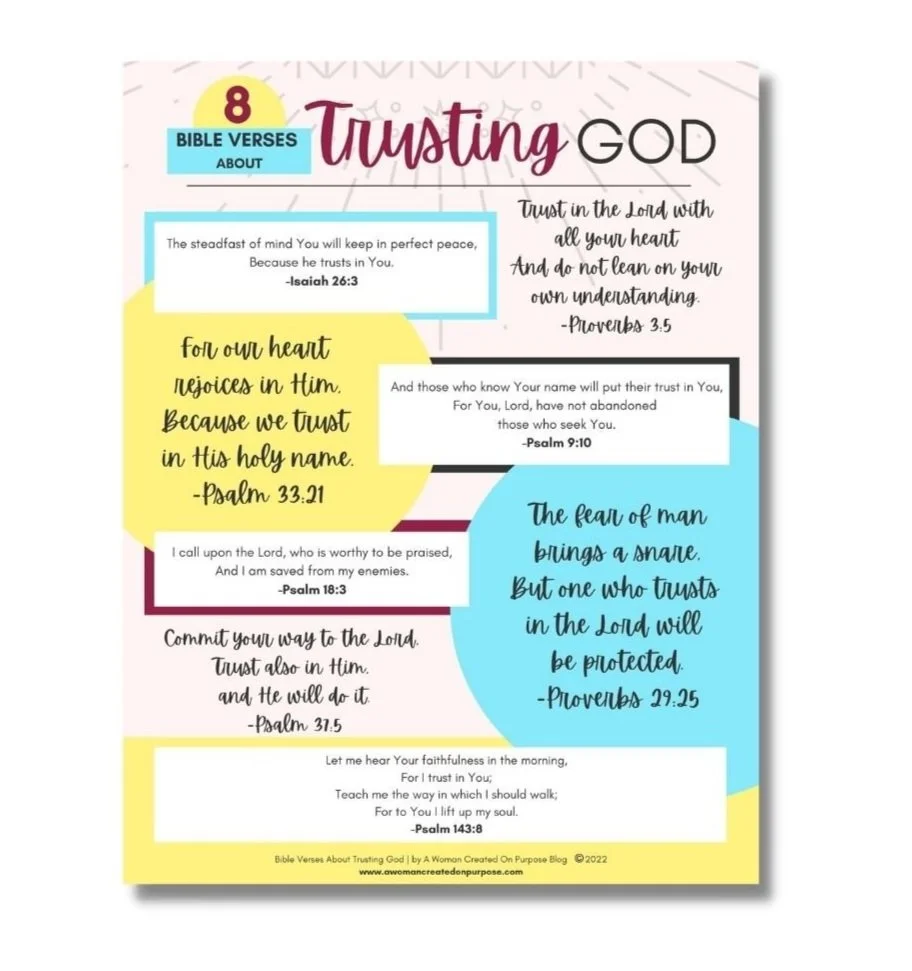



7 Reasons to Glorify God
Mary was humble, submitted, and trusted the Lord at His word. She had incredible faith. But, this isn’t about Mary. Mary’s Magnificat is of course about the Lord. And, there is much that we can learn about glorifying God in these few verses.
Big news can be exciting; it can also be troubling. I remember receiving troubling news about this time last year. It was unexpected and left me flabbergasted, to say the least. It brought along with it many emotions, some being sadness and anxiety.
Going through tough times is hard. But, you know what? Even exciting news can bring anxiousness and feelings of uncertainty for the future. We’re not sure how things will turn out, and will the journey will take us.
Or, perhaps the anxiety comes because we’re not sure what will happen to us along the way.
But God. Even in the uncertainty, He continually gives us reason to bring Him glory.
One such girl we’re all familiar with, who knew how to glorify God despite the circumstances, is Mary in the Bible– the mother of Jesus. When given the biggest news one could possibly imagine, this young and humble servant did less fretting and more glorifying. We see this displayed beautifully in Mary’s Magnificat.
What is Mary’s Magnificat?
The Magnificat is Mary’s song–or poem and prayer of praise– and can be found in Luke chapter 1. Upon visiting her relative Elizabeth, who is pregnant with a boy who would later be known as John the Baptist, Mary becomes overjoyed with what the Lord is doing in her life.
You see, not long before visiting Elizabeth, the angel Gabriel had come to Mary and told her that she would conceive of the Holy Spirit and give birth to a Son, and his name would be Jesus. Overwhelmed, no doubt, yet humbly submitted to this news, we see Mary respond in faith, trusting in the Lord (Luke 1:26-38).
As she meets with Elizabeth, who is filled with the Holy Spirit, baby John the Baptist leaps in her womb, and she blesses Mary for her faith.
It’s at this point that Mary begins to glorify God by singing her praises to Him. It is a beautiful piece of Scripture; so impactful, in fact, that I want to share it here:
“And Mary said:
“My soul exalts the Lord,
And my spirit has rejoiced in God my Savior.
For He has had regard for the humble state of His bond-servant;
For behold, from now on all generations will call me blessed.
For the Mighty One has done great things for me;
And holy is His name.
And His mercy is to generation after generation
Toward those who fear Him.
He has done mighty deeds with His arm;
He has scattered those who were proud in the thoughts of their hearts.
He has brought down rulers from their thrones,
And has exalted those who were humble.
He has filled the hungry with good things,
And sent the rich away empty-handed.
He has given help to His servant Israel,
In remembrance of His mercy,
Just as He spoke to our fathers,
To Abraham and his descendants forever.””
God is in the business of doing the unexpected.
There is so much that we can take away from Mary and her attitude as she is faced with this life-changing news. And, not simply news that is life-changing, but all that would transpire for the remainder of her life because of the One to come– the One she’d hold dearly in her arms as a little baby, who would one day spread his own arms on a cross as our Savior.
This was likely nothing like she expected her life to turn out to be. Yet, isn’t that our God? He seems to be in the business of doing the unexpected. His ways are higher than ours– therefore we can’t even fathom what He can or will do in our lives. I think that is one reason why it is easy to glorify God. If we could figure it all out on our own and coordinate things to transpire for all to see and be astounded by, we wouldn’t think that He is so awesome.
But we can’t; we can’t even begin to formulate and orchestrate our world in a way that makes total sense 100% of the time. Therefore, our job is to simply trust in Him and obey.
This is what we see in Mary. She was humble, submitted, and trusted the Lord at His word. She had incredible faith.
But, this isn’t about Mary. Mary’s Magnificat is of course about the Lord. And, there is much that we can learn about glorifying God in these few verses.
RELATED: Trusting God in All Circumstances
7 Reasons to Glorify God
To glorify God means that we give Him the honor and praise that He is due. We acknowledge His worth, majesty, and greatness.
Obviously, there are many more than seven reasons to glorify God! As we study His Word and sit at His feet, in His presence, He reveals more of His character to us. As we bow in worship to Him, He reveals more facets of all He is; and the more He reveals to us, the more we desire to worship Him. It’s a never-ending cycle, sister!
Nevertheless, looking through the eyes of Mary’s Magnificat and other supporting Scriptures, here are seven reasons to glorify God.
#1: He is mighty and strong.
The word used for mighty means powerful, able, or strong. It implies excellence and the ability to be able to do something. In this case, speaking regarding the Lord, He can do anything– including bless a young lady’s life with the honor of carrying the Savior of the world.
Mary recognized the greatness of God, undoubtedly, prior to this moment; yet, she stated it so plainly and perfectly in her Magnificat.
The Mighty One, God the Lord, speaks and summons the earth from the rising of the sun to its setting. -Psalm 50:1 NASB
Do we recognize the mightiness of God, sister– specifically, in our own lives? Are we aware of how He is holding all the strings together, orchestrating our lives, and doing the unexpected?
#2: He is holy.
The Lord is worthy to be praised. He is exalted, perfect, and just. To revere the Lord as holy means that we recognize that there is no match to Him– no one holds the same level of majesty as He. We can’t measure up, and outside of having Jesus in our hearts, we aren’t even worthy to approach His throne.
There is no one holy like the Lord,
Indeed, there is no one besides You,
Nor is there any rock like our God. -2 Samuel 2:2 NASB
There is nothing anyone can do that would surpass what the Lord has done, continues to do, and will do for us. Like Mary in her Magnificat and Hannah’s words from 2 Samuel 2:2, both singing praises to the Lord for what He’s done in their lives related to children– see Him for who He truly is. Not only mighty and strong but the holiest of all that is holy.
#3: God raises up His humble servants.
Mary. Gideon. David.
So many others we could name in the pages of Scripture– these humble, unassuming servants who were simply caught “just doing their job.” Their job of being faithful to the Lord, believing and trusting in Him.
For the eyes of the Lord roam throughout the earth, so that He may strongly support those whose heart is completely His. -2 Chronicles 16:9 NASB
And, the Lord snatched them up. Not because they were mighty, great, holy, and strong. No– simply because their hearts were completely His.
He is watching us, sister. More than anything, He desires our full surrender. He doesn’t need us to rise up on our own and make a name for ourselves. In our worship of Him and obedience to Him, He will mold our lives as He wills, placing us in the situations and circumstances where we can glorify Him the most.
Glorify God: Remember He is Trustworthy

The Lord is sovereign and totally in control. We have no reason not to trust Him, yet in our flesh and our human nature, oftentimes we don’t. We all need a little help.
Fill out the form below to receive your FREE printable: Bible Verses About Trusting God. Hang it on the fridge, tape it to your mirror, tuck it in your Bible, or put it in your daily planner to remind you to trust in the Lord!
#4: He delights in doing good things for those who love Him.
The only reason we have any idea how to give good gifts to those we love is that giving good things is part of God’s character. He is in the business of not only providing for us but providing for us well.
For the Lord God is a sun and shield;
The Lord gives grace and glory;
He withholds no good thing from those who walk with integrity. -Psalm 84:11 NASB
Did you catch that, sister? He doesn’t withhold. Even if we don’t see it as good right away, or quite understand it, we can rest assured that Romans 8:28 is in fact the truth of His word, and all will turn out to be good.
#5: He gives mercy to those who fear Him.
When we place our fear– our reverence of Him– in the correct place, we gain the right perspective. We seek His face and find his goodness, grace, and character. We fall more deeply in love with Him. In Psalm 40:11, David says that God’s mercy and truth continually watch over him. God sustains those who fear Him; those who love Him.
In God’s mercy, He doesn’t give us what we deserve; instead, He gives us ultimate forgiveness and so many good things. How could we not glorify God for this alone?
Perhaps Mary wanted to sing her praises to the Lord as she thought about what lay ahead in her journey of being with child– the shame that could come; the difficulties. She knew in the deepest depths of her soul that the Lord would provide incredible grace and mercy in her life.
#6: He brings down the proud and scatters them in their own thoughts.
We know that pride goes before the fall (Proverbs 16:18). It’s a path of foolishness and provides us with the opportunity to sit on our own thrones instead of revering the Mighty One on His throne.
But He gives a greater grace. Therefore it says, “God is opposed to the proud, but gives grace to the humble. -James 4:6 NASB
Mary was in fact a humble servant, or the Lord would not have chosen her to carry the Savior of the world. Yet, in this wonderful honor, there was plenty of space for Mary to turn to pride. After all, she was carrying the Savior of the world.
Like Mary, we should be mindful to not let pride trickle in when the Lord chooses to use us. Otherwise, we’ll get lost in our thoughts, thinking only about how great, mighty, and holy we think we are. In our prideful thoughts, we lose sight of God.
And, in our prideful minds, there is no room to glorify God.
It seems evident by what we know about the remainder of Mary’s life that this wasn’t an issue with her. I pray that it wouldn’t become an issue with us either; and if it does, I pray that we’d be swiftly torn down in order for the Lord to build us back up.
#7: He helps those who are His.
The Lord never leaves or forsakes us. No matter the circumstances, the Lord promises to be with those He loves and who love Him. He sees us through.
Our soul waits for the Lord; He is our help and our shield. -Psalm 33:20 NASB
When we need help, do we look to ourselves, or to the Lord? He should be our primary source of support. Instead of scurrying to manipulate our circumstances, we can be like Mary and the Psalmist and recognize that we can wait upon the Lord because He indeed is our shield and helps His people.
Mary knew she would need help from God for what she was about to experience, and in her Magnificat, she was able to express to Him that she knew He would be her help.
Do we reckon with this truth for ourselves, sister? Do we believe beyond a shadow of a doubt, that no matter what, He is our help?
“And Mary said:
“My soul exalts the Lord,
And my spirit has rejoiced in God my Savior.”
Mary’s Magnificat can be ours too
We can glorify God just as strongly as we see in Mary’s Magnificat. Her song can be our song of praise as well. Our lives look drastically different from hers, yes, but our God is still the same. He is still mighty, holy, and strong. He still helps those He loves. He does the unexpected in our lives and delights in doing good things for us.
We don’t have to be poetic or gifted songwriters to glorify God, sister. We can glorify Him out loud for our present company to hear, as Mary did; or, we can do it within the quietness of our soul. The point is, we can and we should remember who He is at all times, and not shy away from letting our soul rejoice in that.
Praise His holy name.
Separating Darkness from Light in Our Faith
When it’s dark by 5:30 pm…ugh. This is my least favorite time of year. I love living in a part of the world that has a full array of all four seasons, but I must admit…
When it’s dark by 5:30 P.M.…ugh. This is my least favorite time of year. I love living in a part of the world that has a full array of all four seasons, but I must admit: once Daylight Savings Time hits late fall, I dread the early darkness. There is something about darkness that is just so…dark.
The evening seems to fast-forward, making it feel later than the clock foretells. The lack of sunshines changes moods. The winter air seems a bit colder. Things are just a little more bleak.
Maybe I don’t like the dark because I’m not much of a night owl (although, getting up super early this time of year means I’m greeted by darkness too!). Or maybe, it’s because the darkness outside reminds me of the darkness within.
The sins that still ensnare. The negative thoughts, feelings, and emotions that creep in when I let them. The darkness of the hearts in the world at large. The reality that, without Christ, things are just…dark.
And sister, if we’re being honest– sometimes even with Christ, we still allow ourselves to step back into darkness.
It’s not His fault; He is the Light of the world, the light of life (John 8:12). But when things are a little less cheerful and sun-shiny, and when we’re feeling the weight of the dark world on our shoulders, we can allow ourselves to forsake the light He so freely gives and wants to radiate from us.
When we accepted His free gift of salvation, He immediately brought us from darkness to light. So, let’s not turn back.
This post contains affiliate links, which means if you make a purchase, I receive a small commission. As an Amazon Associate I earn from qualifying purchases. This is at no extra cost to you, and helps me to further serve you in your walk with the Lord!
Moving from darkness to light is an important aspect of our walk with the Lord. Let’s chat about 5 truths of the reality of light and darkness in our Christian faith.
#1: we should Separate from Darkness.
Light.
The first recorded words of God in the very beginning. His proclamation that light shall be, and it was. Not only did He see that it was good, but the Word says that He separated it from darkness.
“Then God said, “Let there be light”; and there was light. God saw that the light was good; and God separated the light from the darkness.”
God’s light brings us life, which is where He wants us to be– in His light, separated from the darkness. He provides a way for us to do so when we abide in Him (John 15:4-5). When we do this, we bear good fruit and draw from the well of His strength.
We can use His wisdom and our good sense to separate ourselves from darkness in our everyday lives. Being careful not to engage with worldly things that contradict the Word of God, being mindful of what we’re watching and listening to, and being wise about the company we keep are all ways that we can do our part to not purposely engage in darkness.
When we are truly abiding in Him– moment by moment– darkness cannot overcome us because He is the Light.
#2: we must Recognize the Light.
Moving from darkness to light and back to darkness can happen so easily. We let our guard down. We aren’t mindful of our company (1 Corinthians 15:33). We allow negative thoughts into our minds.
“For it is You who light my lamp; the LORD my God lightens my darkness. ”
All of the above is true, but let’s be real: the main reason the darkness becomes so enticing is that we forget who the Light is. It’s not us. We lose focus of the One who brings the light in the first place; the One who sparks the light within us.
Let’s not try to do this on our own, sister. We don’t have to work extra hard to stay out of the darkness– we just need to remember that it is the Lord who lightens our darkness and to step out of the way and allow Him to do so.
Here’s what I mean: Just the other day I was trying to put something together, and out of nowhere, darkness set in. By “out of nowhere”, I mean my eldest son stepped in between the object and my light source.
In the darkness, it was harder to see and to function. The task became that much more difficult.
And so goes our life, sister.
As He lights our paths, let’s be sure to step out of the way so we don’t block His light. He won’t force us out of the way. He loves us too much to make us His puppets. Sister, He wants you and me to willingly and wholeheartedly recognize Him for who He is and what He can do in our lives, and to follow His guidance. Life is oh so much harder when we get in His way.
#3: WE NEED TO Walk in the Light.
“For you have delivered my soul from death, yes, my feet from falling, that I may walk before God in the light of life.”
In our newness of life, our life in Christ, we have the power, ability, and desire to walk in His ways. In an instant, He delivered our souls from death. Continually, He is willing and able to keep our feet from falling. As we move from darkness to light, it’s our choice, sister, to walk with Him in this newness of life.
You see, we can be easily distracted by looking to the left or the right and therefore choose to step off His path. Oftentimes, it’s easier to do this than to stay the course. We must ask for wisdom to faithfully choose Him– to seek Him, draw closer to Him, and do His will. Without His wisdom, walking in the light 100% of the time is impossible.
Make time for God, seek Him diligently, and abide in Him, sister. There’s no greater place to be.
ABIDE in His Light: FREE STUDY TOOLS
Spending time in His Word daily is the best way to ensure that we’re drawing closer to Him and walking in His light. Download your free set of Bible study printables to guide you in your study of the Light of the World. Fill out the form below.

As we spend time in His Word, let’s not just read through the text as if it’s a novel. Let’s take time to truly STUDY! I like to have a good set of Bible pens and a journal to jot down verses to stick out to me. Maybe you’ll like the ones I use?
#4: He is Still Present in the Darkness.
But what about when we’re going through hard times? When our life circumstances weigh on us, cause anxiety and stress, and rob us of our joy?
The darkness encompasses us at these moments. It surrounds us, drowns out any flickers of light, and seems heavier than we can bear. Yes, darkness bears weight.
But God.
“When I sit in darkness, the Lord will be a light to me.”
He is still there! He’s present with us in the darkness we face, and He still provides the light. Sister, we just have to choose to take hold of it. It may take more effort to peer through the black, and the light may seem forever dim to us, but trust that His light does not flicker nor fade.
It is often said that darkness is the absence of light. Yet, the Lord is ever-present and always with us. So even in our dark times, He is not absent. We just have to choose to recognize Him and want to see His light shine. His light always pierces through the darkness.
Light always wins.
#5: God is Bigger Than Any Darkness.
Let’s just tell it like it is sister— darkness has nothing on the Lord! He is bigger than it all. He is God over ALL. Darkness does not frighten Him. It doesn’t drown Him out. It doesn’t make it harder for Him to see, function, or guide us.
“Even the darkness is not dark to you; the night is bright as the day, for darkness is as light with you.”
He is our ultimate night-vision goggles.
Realize that in Him, we have nothing to fear, even in our darkness. He knows the beginning from the end, and therefore darkness and light, night and day are equally clear. Our job is to trust Him and rely on Him. His hand is out, ready to lead us where He wants us to go.
Will You Go?
Which way will you go, sister? As you move from darkness to light, will you allow the Light of the World to lead you, whether through the dark times or even during your brightest of days? What will it be?
Remember that in God, there is no darkness at all (1 John 1:5). Join me in abiding in Him, sister– in His light, His love, and His ability to sustain us, lead us, and guide us. So even though it’s 5:30 pm in December, grab your sunglasses. Where He is, it’s always gloriously bright.